
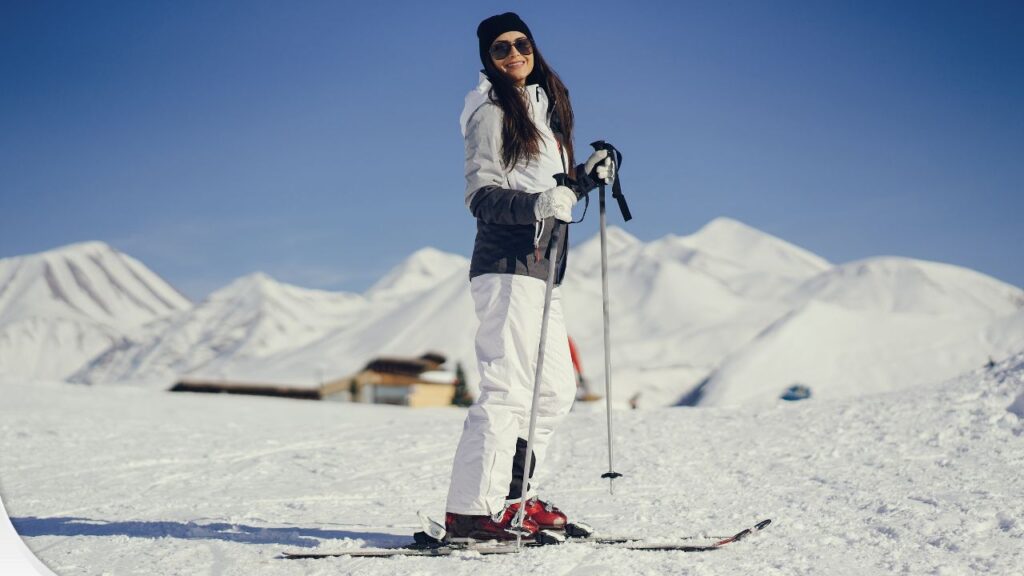
Winter culture has a unique vocabulary filled with playful and sometimes surprising expressions. One term that often sparks curiosity and debate is “snow bunny.” You may hear it on ski slopes, in winter resorts, or even during casual conversations when people are checking a snow day forecast and planning their time in snowy destinations. While the phrase sounds lighthearted, its meaning has evolved over time and can vary depending on context.
Understanding what “snow bunny” means, where it came from, and how it’s used today helps clarify why the term remains popular—and sometimes controversial—in winter sports culture.
What Does the Term “Snow Bunny” Mean?
Traditionally, “snow bunny” refers to someone who enjoys spending time in snowy environments, particularly at ski resorts. In its earliest usage, the term described beginner skiers or casual visitors who spent more time socializing, relaxing, or enjoying après-ski activities than aggressively skiing challenging slopes.
Over time, the meaning expanded. In modern usage, a snow bunny often refers to someone—frequently a woman—who embraces winter fashion, snowy aesthetics, and resort lifestyles, even if skiing or snowboarding isn’t their primary focus.
The Origins of the Snow Bunny Term
The exact origin of “snow bunny” is somewhat unclear, but it is believed to have emerged in North America during the mid-20th century, alongside the rise of recreational skiing. Ski resorts were becoming popular vacation destinations, attracting not only serious athletes but also tourists who enjoyed the social scene.
The word “bunny” was likely chosen to suggest playfulness and approachability, similar to other slang terms that use animals to describe personality traits. In this context, it conveyed a light, carefree presence on the slopes rather than advanced skiing ability.
Early Use in Ski Resort Culture
In the early days of ski tourism, many visitors came to resorts without formal training or expensive gear. These casual participants often stayed near beginner areas or lodges, enjoying the snow without tackling expert terrain.
Experienced skiers used “snow bunny” to describe these newcomers affectionately. It wasn’t necessarily an insult; instead, it highlighted the relaxed, fun-loving atmosphere that ski resorts offered beyond pure sport.
How the Meaning Changed Over Time
As winter sports grew more mainstream, the term began to take on new layers of meaning. Media, pop culture, and fashion trends influenced how “snow bunny” was perceived.
In some contexts, the phrase started to emphasize appearance, style, and social presence rather than skiing skill. Ski resort fashion—fur-lined boots, stylish jackets, and cozy winter accessories—became part of the snow bunny image, particularly in movies and advertisements.
Snow Bunny in Modern Slang and Social Media
Today, social media has played a major role in reshaping the term. On platforms like Instagram and TikTok, “snow bunny” often describes someone who loves winter aesthetics, snowy travel destinations, and cozy alpine vibes.
Photos of snowy landscapes, hot chocolate by the fireplace, and stylish winter outfits often carry the snow bunny label. In this modern sense, the term is less about skiing ability and more about lifestyle and personal expression.
Is the Term Snow Bunny Offensive?
Whether “snow bunny” is offensive depends largely on context and personal perspective. Some people view it as a harmless, playful term rooted in ski culture. Others feel it can be dismissive or objectifying, especially when used to reduce someone’s presence to appearance rather than skill or interest.
Because of these differing viewpoints, it’s important to be mindful of how and when the term is used. What feels fun and flattering to one person may feel uncomfortable to another.
Gender and Stereotypes in Snow Culture
Historically, the term has been more commonly applied to women, which has contributed to debates about gender stereotypes in winter sports. Skiing and snowboarding have long been male-dominated fields, and casual labels sometimes reinforce outdated assumptions.
Today, many women are expert skiers, snowboarders, and winter athletes who challenge these stereotypes. As a result, some prefer to avoid the term entirely, while others reclaim it in a positive, empowering way.
Snow Bunny vs. Serious Skier
One of the key distinctions often made is between a “snow bunny” and a serious skier. Serious skiers focus on performance, technique, and challenging terrain, while snow bunnies are often associated with enjoying the social and scenic aspects of ski resorts.
However, this distinction isn’t always accurate. Many people enjoy both sides of winter sports—hitting the slopes during the day and relaxing or socializing afterward. Labels rarely capture the full picture.
How the Term Is Used Around the World
While “snow bunny” is most commonly used in North America, similar expressions exist in other regions with strong ski cultures. European ski resorts may use different slang to describe casual visitors or beginners, though the playful tone is often similar.
The global popularity of winter tourism has helped spread the concept, even if the exact phrase isn’t always used internationally.
Should You Use the Term Snow Bunny?
Using the term “snow bunny” depends on your audience and setting. Among friends who understand and enjoy the term, it may be perfectly acceptable. In professional or unfamiliar environments, it’s often better to avoid slang that could be misinterpreted.
Respectful language and awareness of context are always the safest choices, especially in diverse social settings.
The term “snow bunny” has a long and evolving history within ski and winter culture. From its origins as a lighthearted label for casual resort visitors to its modern role in lifestyle and social media, its meaning continues to shift.
Understanding where the term comes from and how it’s perceived today allows for more thoughtful and respectful communication. Whether embraced, redefined, or avoided, “snow bunny” remains a fascinating example of how language reflects changing cultural attitudes toward winter sports and identity.