
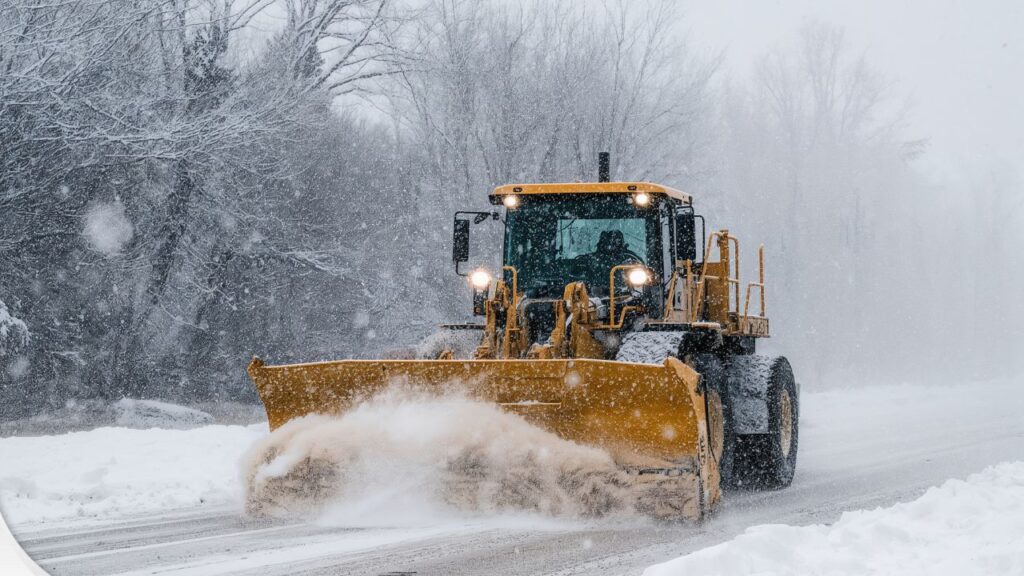
Winter weather brings a wide range of road hazards, but few are as sudden and dangerous as snow squalls. Unlike steady snowfall that gives drivers time to adjust, snow squalls arrive with little warning and can turn safe roads into treacherous surfaces in seconds. Many serious winter accidents occur during these short-lived but intense weather events.
Understanding what a snow squall is and why it poses such a serious threat to drivers is essential for staying safe during winter travel. Awareness, preparation, and quick decision-making can significantly reduce the risks associated with these extreme conditions.
What Exactly Is a Snow Squall?
A snow squall is a brief but intense burst of heavy snowfall, often accompanied by strong gusty winds. These events can drastically reduce visibility and rapidly coat roads with snow or ice. Snow squalls typically last from a few minutes to an hour, but their impact can be severe.
Unlike large winter storms, snow squalls form quickly and may not cover a wide area. This localized nature makes them especially dangerous, as drivers may encounter clear roads one moment and whiteout conditions the next.
How Snow Squalls Form
Snow squalls usually develop when a cold air mass moves over a warmer surface, such as open water or relatively warm land. This temperature contrast creates instability in the atmosphere, leading to fast-developing bands of heavy snow.
In many regions, especially near large lakes, lake-effect snow squalls are common. Strong winds intensify the snowfall and blow snow across roadways, further reducing visibility and creating drifting snow that hides lane markings.
Why Snow Squalls Catch Drivers Off Guard
One of the most dangerous aspects of snow squalls is how unexpectedly they strike. A driver may be traveling on dry pavement under clear skies, relying on forecasts or even a snow day predictor to assess weather risks, when suddenly visibility drops to near zero within seconds.
Because these squalls are short-lived and localized, drivers often underestimate their severity. Many continue driving at normal speeds, unaware of how quickly traction and visibility can disappear, leading to sudden braking, skidding, and multi-vehicle collisions.
Sudden Loss of Visibility
Snow squalls are notorious for causing near-whiteout conditions. Heavy snowfall combined with strong winds creates a wall of snow that severely limits visibility. Drivers may struggle to see more than a few feet ahead, making it nearly impossible to react to stopped traffic or sharp turns.
This sudden blindness often leads to chain-reaction crashes, especially on highways where vehicles are traveling at high speeds. Even experienced winter drivers can be overwhelmed by how quickly conditions deteriorate.
Rapid Road Surface Changes
Another major hazard of snow squalls is the rapid transformation of road surfaces. Roads that were previously dry or wet can become snow-covered or icy almost instantly.
As snow accumulates, tires lose traction, increasing stopping distances and reducing steering control. In some cases, a thin layer of snow hides ice underneath, creating extremely slippery conditions that are difficult to detect until it’s too late.
Increased Risk of Multi-Vehicle Accidents
Because snow squalls strike suddenly and affect visibility and traction at the same time, they are frequently associated with large multi-vehicle pileups. Drivers who cannot see ahead may fail to slow down in time, colliding with vehicles that have already stopped or crashed.
Highways and interstates are particularly vulnerable due to higher speeds and dense traffic. Once an accident occurs, poor visibility makes it difficult for approaching drivers to avoid the scene, escalating the situation rapidly.
The Role of Wind in Snow Squall Dangers
Strong winds play a significant role in the hazards created by snow squalls. Gusty winds blow snow across roads, reducing visibility even further and creating drifting snow that obscures lanes and road edges.
Wind also contributes to wind chill, which can quickly lower temperatures and cause wet roads to freeze. This combination increases the likelihood of black ice forming during or immediately after a squall passes.
How Snow Squalls Differ from Blizzards
Although snow squalls and blizzards share some similarities, they are very different weather events. Blizzards are widespread, long-lasting storms with sustained high winds and heavy snowfall over several hours or days.
Snow squalls, on the other hand, are brief and localized. Their danger lies in their sudden onset and intensity rather than their duration. Because they develop so quickly, drivers often have little time to react or seek shelter.
How Drivers Can Stay Safe During a Snow Squall
The key to surviving a snow squall is quick, calm action. As soon as visibility begins to drop, drivers should reduce speed immediately and increase following distance. Avoid sudden braking or sharp steering movements.
Turn on headlights, not hazard lights, and stay focused on the road ahead. If visibility becomes extremely poor, safely pull off the road if possible, preferably at a rest area or exit ramp. Do not stop in traffic lanes, as this increases the risk of collisions.
Importance of Weather Alerts and Warnings
Weather agencies often issue snow squall warnings, similar to severe thunderstorm warnings, when conditions are expected to deteriorate rapidly. Paying attention to these alerts can give drivers critical minutes to adjust plans or delay travel.
Mobile weather apps, radio updates, and navigation systems can provide real-time information. Taking these warnings seriously can prevent dangerous encounters with sudden winter hazards.
What to Do If You’re Caught in a Snow Squall
If you find yourself in a snow squall, remain calm and focused. Slow down gradually, keep both hands on the wheel, and follow the tracks of the vehicle ahead if visible. Avoid using cruise control in snowy conditions.
If you cannot see at all, pull over safely, turn off your lights, and wait for the squall to pass. Leaving lights on can cause other drivers to mistake your vehicle for moving traffic, increasing the risk of impact.
Snow squalls may be brief, but their dangers are significant. Sudden loss of visibility, rapid road icing, and strong winds combine to create extremely hazardous driving conditions. Understanding what a snow squall is and how to respond can save lives.
By staying informed, respecting weather warnings, and adjusting driving habits quickly, drivers can reduce the risks associated with these intense winter events. In winter, awareness and caution are your strongest defenses against the unpredictable nature of snow squalls.