
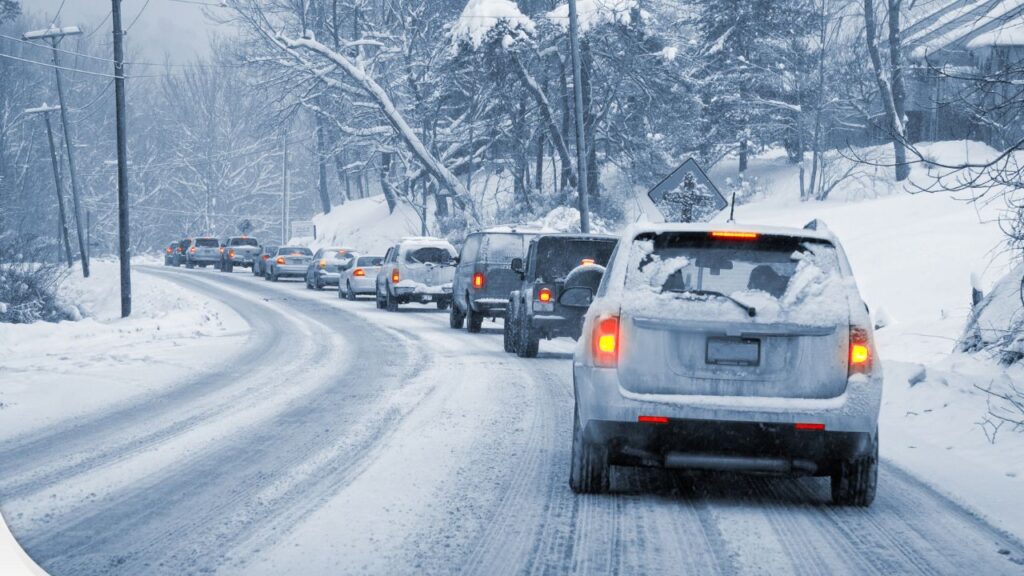
Driving in snowy conditions can be intimidating, especially for those who don’t experience winter weather often. Snow, ice, and freezing temperatures dramatically reduce traction, visibility, and reaction time, increasing the risk of accidents. However, with the right preparation and techniques, you can navigate snowy roads safely and confidently.
Understanding how your vehicle behaves on snow and ice is the first step toward winter driving safety. Just as people check weather alerts or use a snow day calculator to decide whether travel is safe, drivers must assess road conditions and adjust their driving habits accordingly. Smart decisions before and during your journey can make all the difference between a smooth drive and a dangerous situation.
Why Snow Driving Is More Dangerous Than You Think
Snowy roads reduce tire grip, making it harder to accelerate, brake, and steer. Even a light dusting of snow can hide patches of black ice, one of the most dangerous winter road hazards. Black ice is nearly invisible and can cause a sudden loss of control without warning.
Cold temperatures also affect vehicle performance. Tire pressure drops, batteries lose power, and windshield washer fluid can freeze if it’s not rated for winter use. Combined with shorter daylight hours and poor visibility, these factors make winter driving far more complex than normal conditions.
Prepare Your Vehicle for Snowy Conditions
Before you ever turn the key, your vehicle should be winter-ready. Preparation is a crucial safety technique that many drivers overlook.
Start with your tires. Winter tires provide significantly better traction than all-season tires in snow and ice. If winter tires aren’t an option, ensure your all-season tires have sufficient tread depth.
Check your brakes, battery, lights, and wiper blades. Use winter-grade windshield washer fluid and keep your gas tank at least half full to prevent fuel line freezing. Carry an emergency kit with items like blankets, a flashlight, gloves, a snow brush, jumper cables, and non-perishable snacks.
Adjust Your Driving Speed and Expectations
Speed is one of the biggest contributors to winter accidents. Posted speed limits are designed for ideal conditions, not snow-covered roads. In winter weather, slower is safer.
Reduce your speed and increase your following distance. On dry roads, a three-second gap may be enough, but in snowy conditions, you should allow at least six to eight seconds. This extra space gives you more time to react if traffic slows suddenly or if your vehicle begins to slide.
Remember, arriving late is always better than not arriving at all.
Master Gentle Acceleration and Braking
Sudden movements are your enemy when driving on snow. Hard acceleration can cause your wheels to spin, while abrupt braking can lead to skidding.
Accelerate slowly and smoothly, especially from a complete stop. If your vehicle has traction control, let it do its job—don’t fight it by pressing harder on the accelerator.
When braking, apply gentle, steady pressure. If your car has anti-lock brakes (ABS), press firmly and let the system pulse automatically. If it doesn’t, pump the brakes lightly to avoid locking the wheels.
Learn How to Handle Skids Safely
Even the most careful drivers can experience a skid on icy roads. Knowing how to respond calmly is a critical safety skill.
If your rear wheels skid, turn the steering wheel gently in the direction you want the front of the car to go. Avoid overcorrecting, as this can cause the vehicle to fishtail. Ease off the accelerator and do not slam the brakes.
For front-wheel skids, take your foot off the accelerator and allow the tires to regain traction. Once control returns, steer gently in the intended direction. Practicing these responses mentally can help you react correctly in real situations.
Improve Visibility in Snowy Weather
Visibility often drops significantly during snowfall. Snow, fog, and road spray from other vehicles can make it hard to see what’s ahead.
Always clear all snow and ice from your windows, mirrors, headlights, and roof before driving. Use low-beam headlights during snowfall, as high beams can reflect off snowflakes and reduce visibility.
Keep your windshield clean and defrosted. If visibility becomes too poor, don’t hesitate to pull over safely and wait for conditions to improve.
Understand Road Conditions and Surfaces
Not all snowy roads are the same. Bridges, overpasses, and shaded areas freeze faster than other surfaces. Rural roads may be less frequently plowed, while urban streets can become slick due to compacted snow.
Fresh snow can sometimes provide more traction than partially melted and refrozen snow, which often turns into ice. Be extra cautious after sunset when temperatures drop and melted snow refreezes.
Staying aware of these subtle changes helps you anticipate hazards before they become dangerous.
Use Technology Wisely, Not Blindly
Modern vehicles come equipped with advanced safety features such as traction control, stability control, and all-wheel drive. While these technologies improve safety, they do not defy the laws of physics.
All-wheel drive can help you move forward more easily, but it does not help you stop faster on ice. Drivers often develop a false sense of security and drive too fast, leading to accidents.
Use technology as a support system, not a replacement for cautious driving habits.
Know When Not to Drive
Sometimes, the safest decision is not to drive at all. Severe snowstorms, whiteout conditions, or freezing rain can make roads extremely hazardous.
Monitor weather forecasts closely and plan ahead. If local authorities advise against travel, take their warnings seriously. Delaying a trip or choosing an alternative mode of transportation can prevent unnecessary risk.
Your safety—and the safety of others on the road—should always come first.
Build Confidence Through Practice
Confidence in snow driving comes from experience. If you live in an area with regular snowfall, consider practicing in an empty parking lot after a snowstorm. This allows you to safely feel how your car responds when braking, turning, and accelerating on snow.
The more familiar you are with winter conditions, the calmer and more controlled your reactions will be in real-world situations.
Driving in snow doesn’t have to be terrifying. With proper preparation, patience, and expert safety techniques, you can significantly reduce your risk on winter roads. Slow down, stay alert, and respect the conditions around you.
By preparing your vehicle, adjusting your driving style, and knowing how to respond to emergencies, you’ll be better equipped to handle snowy conditions with confidence. Winter may be unpredictable, but your approach to snow driving doesn’t have to be.